Helping educators identify students who may quietly feel disconnected at school.
Lonely in the Crowd
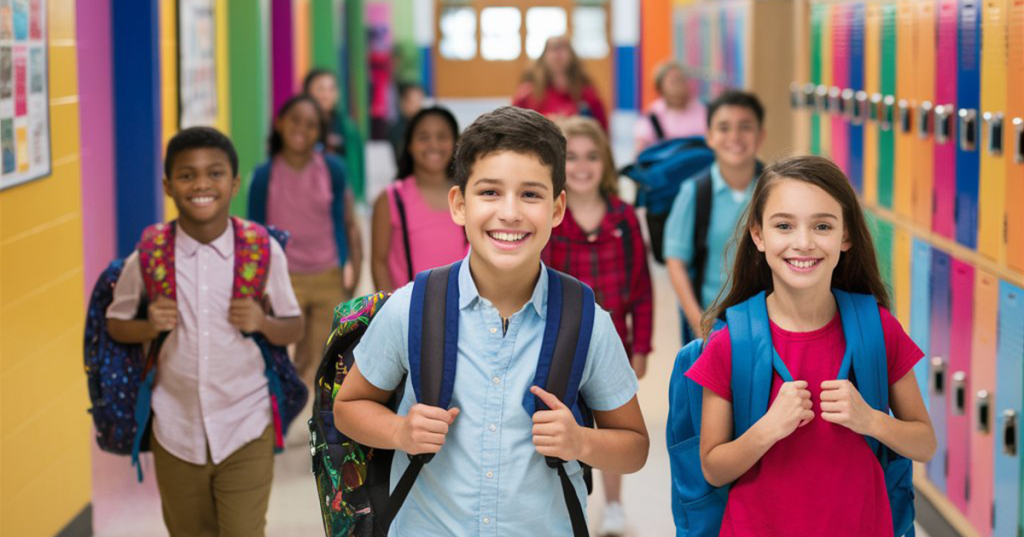
Walk into almost any classroom, and things can appear fine on the surface.
Students are participating. Groups are working together. Conversations are happening. Teachers are teaching.
But beneath the surface, students’ social experiences can look very different.
Some students feel deeply connected to their classmates and school community. Others quietly feel uncertain about where they fit in. Some students feel lonely in the crowd.
A student may appear engaged academically while still feeling socially disconnected, isolated, or overlooked.
For educators, this creates a difficult challenge.
Much of what educators understand about student relationships comes from observation, conversations, and instinct. Those things matter tremendously, but they also have limits. Educators cannot realistically see every friendship dynamic, every one-sided relationship, or every student who quietly feels left out.
And today, understanding student connection matters more than ever.
Research continues to show that belonging and peer relationships influence:
- student engagement
- attendence
- emotional well-being
- classroombehavior
- academic persistence
- overall school climate
The challenge is not that educators do not care. In fact, most care deeply.
The challenge is visibility.
The truth is, educators often lack practical tools to clearly understand how students are actually experiencing connection in classrooms and across school communities.
Making the Invisible Visible
That’s why we created Connections by Bloomsights.
Connections gives educators a simple way to better understand student social dynamics through student voice.
Students complete a brief activity in which they identify classmates they feel connected to. From those responses, educators receive easy-to-understand sociograms and insights into connections that help make classroom social structures more visible.
Instead of relying only on observation, educators can now see:
- who has strong peer connections
- which students may feel left out socially
- how evenly connections are distributed across a class
- the overall strength of peer connections
- connection patterns across classrooms and individual students
The experience is designed to be practical, approachable, and teacher-friendly.
Connections is not about labeling students or replacing educator judgment. It simply helps educators see patterns that may otherwise remain hidden.
Teachers can then use those insights to:
- build more intentional student groups
- strengthen classroom belonging
- support isolated students earlier
- monitor social dynamics over time
Most importantly, the process is fast and easy for both students and educators.
Why This Matters for Schools
Earlier Awareness
One of the biggest benefits of Connections is that it helps schools identify social disconnect earlier.
Students who are struggling socially do not always raise their hand for help. Some students become quieter. Others mask disconnection behind participation or behavior.
Connections helps educators spot concerns before they become larger problems.
Stronger Classroom Communities
When teachers better understand student relationships, they can make more informed decisions about:
- seating arrangements
- collaborative groups
- peer supports
- classroom culture strategies
Small changes can make a meaningful difference in helping students feel included and connected.
Help Students Be Heard
Connections gives students a voice in describing their school experience in a way that feels safe and manageable.
Instead of adults guessing how students feel socially, students themselves help provide the picture.
Actionable Insights Without More Work
Educators are already overwhelmed.
Connections was designed to support schools without creating additional burdens for teachers and staff. The platform delivers insights quickly and visually so schools can focus on supporting students rather than sorting through complicated data.
A More Human Understanding of Student Data
At Bloomsights, we believe student data should help schools better understand the human side of education.
Connection, belonging, trust, and relationships are essential to a student’s ability to thrive socially, emotionally, and academically.
Connections helps schools make those experiences more visible.
See Connections in Action
Every classroom has students whose social experience is easier to see — and others whose experience is much quieter.
Connections was designed to help schools better identify students who may be feeling disconnected before those challenges grow larger.
If you’d like to learn more about how Connections works and how schools are using it, we’d be happy to show you.
Book a time to see how Connections by Bloomsights works
We’d love the opportunity to learn more about your school community and share how Connections can help educators better understand student belonging and peer relationships.



Leave a Reply